The first signal comes from the call
Remote pump stations, distribution substations, and unmanned sites only get checked when something is already broken. Failure visibility shouldn't depend on a complaint.
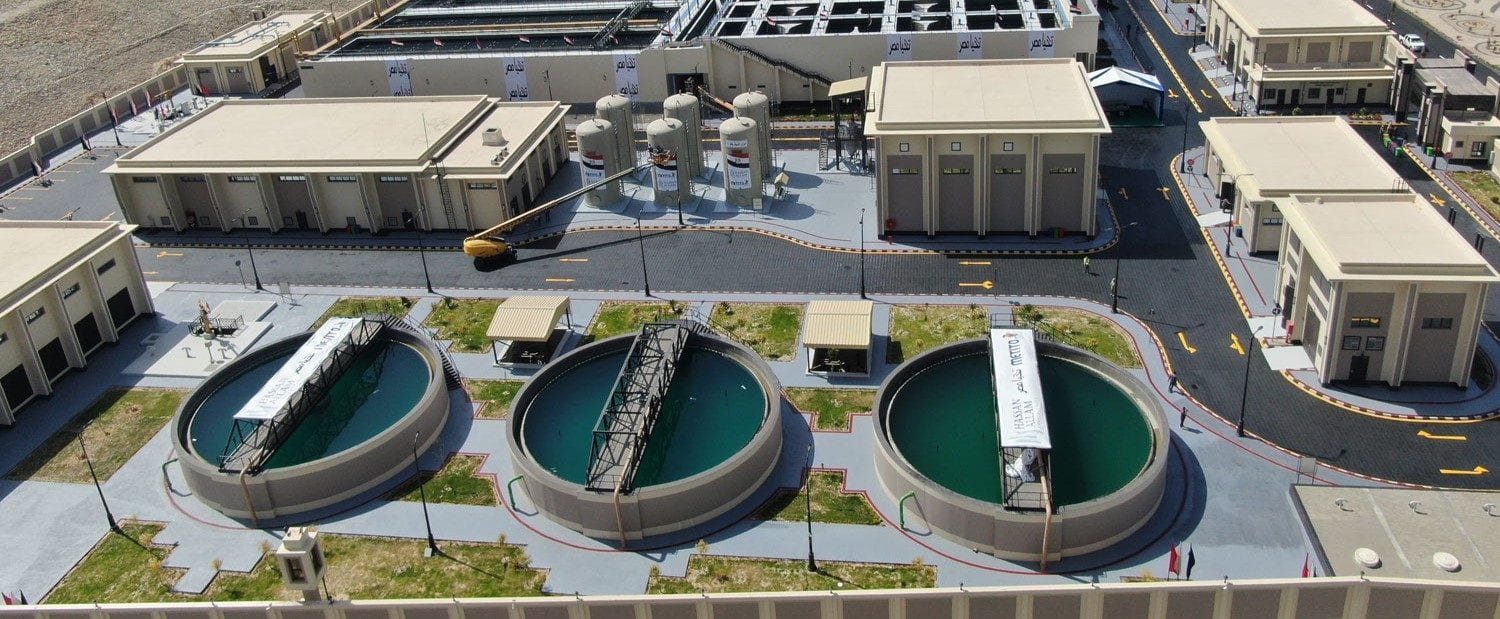
Novek gives utility operators, asset managers, and operations teams earlier visibility into the pumping stations, distribution equipment, substations, and remote service assets that, when they fail, cause high-consequence outages — so issues are caught before the call from the field.
A pumping station you can't walk every day. A substation an hour outside the city. A buried lift station that nobody thinks about until it overflows. Failures here are quiet, remote, and high-consequence.
Remote pump stations, distribution substations, and unmanned sites only get checked when something is already broken. Failure visibility shouldn't depend on a complaint.
A pump-station failure floods a neighbourhood. A substation hotspot trips a grid section. A burst on a critical main shuts off thousands of users. The cost of late discovery scales fast.
Hundreds of remote nodes. Manual rounds can't cover them. Visibility has to scale without putting more boots on more sites.
The asset register from commissioning is out of date the moment equipment starts ageing. A current sensor signal is the only honest input to planning, capex, and risk-ranking.
Coverage starts with the assets whose failure has the highest consequence and the longest discovery delay. Common starting points include:
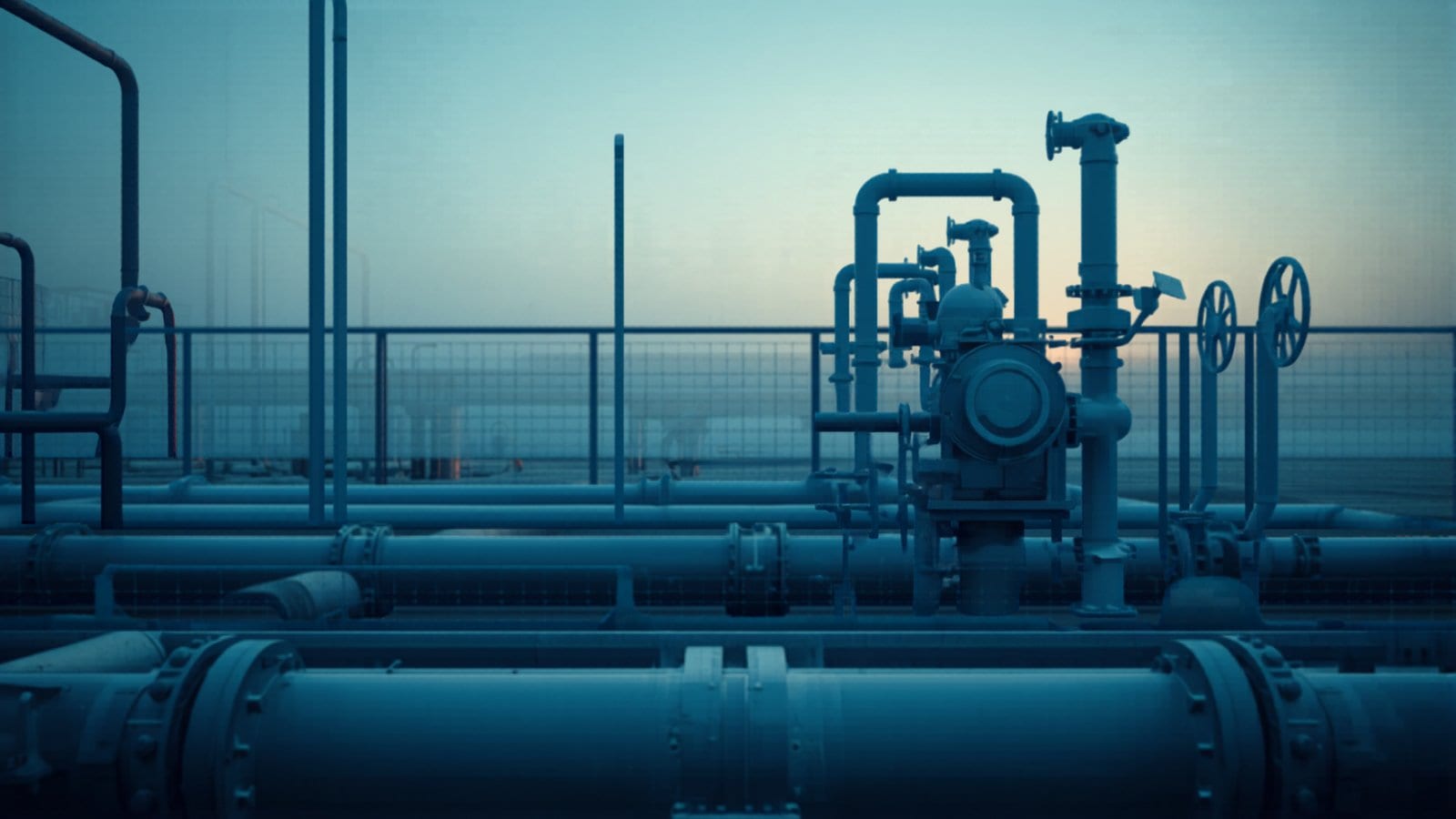
Wireless industrial sensors deployed on submersibles, pumping stations, substations, and critical service equipment — remote-first, no site network dependency. Continuous data on the assets where late discovery has the highest consequence.
Environmental incident avoided · Regulator not engaged · Public exposure prevented
Novek can begin with a focused Failure Visibility Assessment on a single pumping-station group, a substation cluster, or a critical reservoir — proving value on the assets where late discovery has the highest consequence before extending across the network.